Discovering the Scientific Research Behind Car Ceramic Coating and Its Protective Qualities
The scientific research of car ceramic coating presents a fascinating research study in sophisticated vehicle defense. Made up largely of silicon dioxide and polymers, these layers form a robust bond with car paint. This communication improves resilience versus ecological dangers while providing hydrophobic advantages. Nevertheless, the complexities of just how these finishings work and their lasting advantages continue to be less recognized. Unboxing these details reveals why ceramic layers are coming to be a recommended option for lorry treatment
What Is Ceramic Coating?
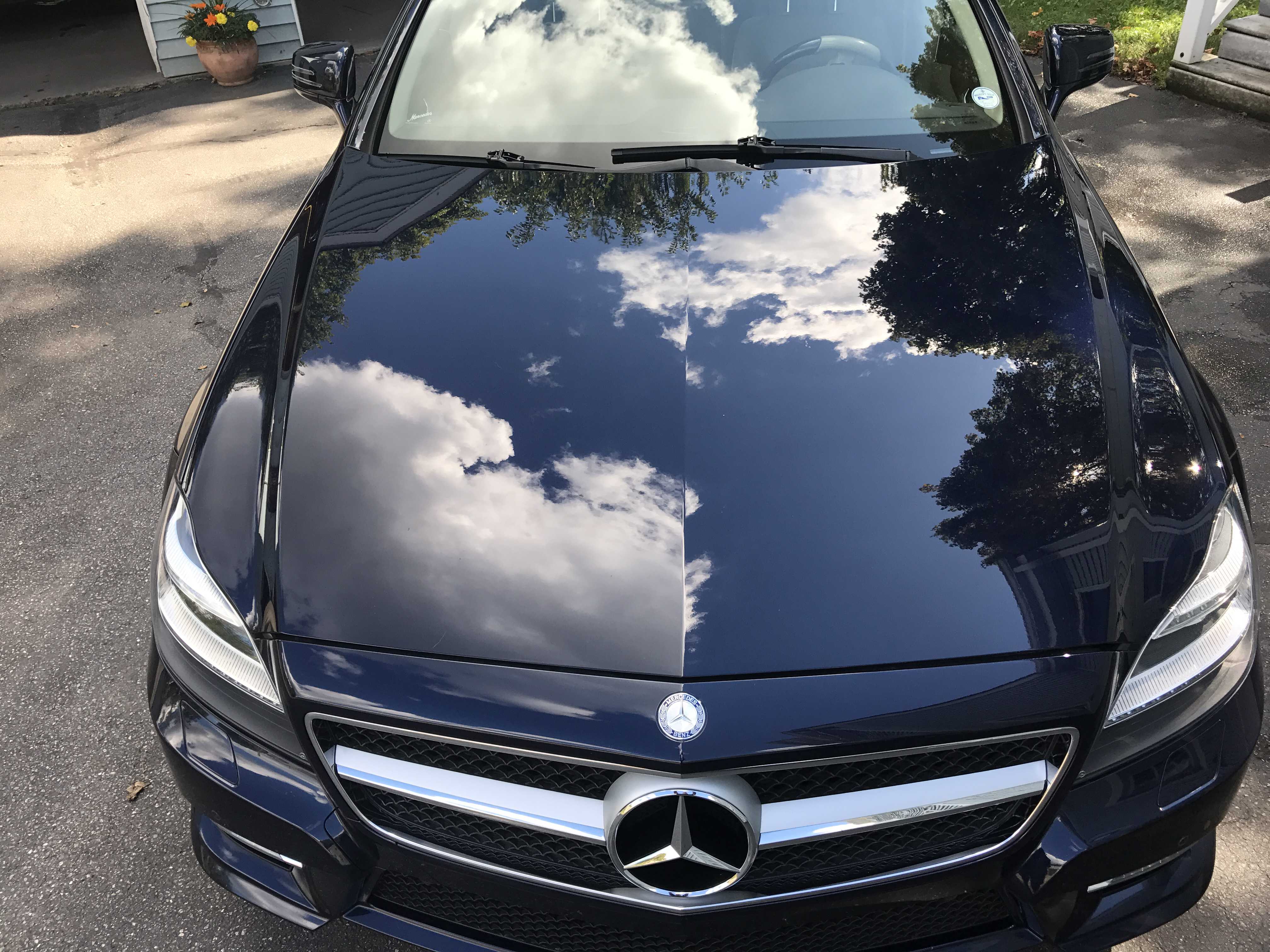
Ceramic coating is a fluid polymer that chemically bonds to the surface of an automobile's paint. This innovative safety layer boosts toughness and uses remarkable resistance to ecological elements. Unlike typical wax or sealers, which offer temporary protection, ceramic coatings develop a durable guard that can endure harsh conditions such as UV rays, acidic contaminants, and severe weather condition. When used appropriately, the coating develops a hydrophobic surface area, triggering water to grain and slide off, which helps in maintaining the lorry's cleanliness. Furthermore, it offers improved gloss and depth to the paint, making the automobile appear even more polished and vibrant. The application process generally entails detailed surface prep work, consisting of cleaning and sprucing up, to ensure peak bonding. As an outcome, ceramic finishes are becoming significantly popular amongst car lovers and those looking for to protect their financial investments, guaranteeing to maintain the automobile's visual appeal while minimizing the regularity of maintenance.
The Make-up of Ceramic Coatings
The detailed solution of ceramic layers largely is composed of silicon dioxide (SiO2), which is originated from all-natural sources like quartz and sand. This essential part provides the foundation for the coating's longevity and protective high qualities. In enhancement to SiO2, ceramic coverings commonly consist of numerous polymers and additives that enhance attachment, adaptability, and resistance to environmental variables. These substances function synergistically to produce a durable barrier against contaminants such as dust, chemicals, and UV rays.Furthermore, some formulations include titanium dioxide (TiO2) or various other nanomaterials, which can increase the coating's hydrophobic properties, leading to improved water repellency. The precise structure can vary greatly amongst manufacturers, affecting performance and durability. Eventually, the combination of these elements culminates in a safety layer that not just enhances the visual appeal of automobiles yet also offers to lengthen their lifespan by shielding the surface area from possible damage.
How Ceramic Coatings Job
Understanding how ceramic layers function includes exploring their chemical composition, which contributes to their protective qualities. The application procedure is essential for attaining excellent outcomes, while longevity and durability elements figure out the coating's efficiency over time. Together, these elements highlight the benefits and performance of ceramic layers for automobile security.
Chemical Composition Explained
While many car proprietors seek lasting defense for their vehicles, the chemical composition of ceramic finishes plays a crucial role in their performance. These finishes mainly are composed of silicon dioxide (SiO2), which is stemmed from all-natural minerals. This substance creates a strong bond with the car's paint, producing a long lasting, protective layer. In addition, numerous ceramic coatings consist of titanium dioxide (TiO2), enhancing their hydrophobic properties and resistance to UV rays. The presence of polysiloxanes can further enhance flexibility and longevity. Together, these elements add to the coating's ability to push back water, dirt, and impurities, while likewise supplying a high-gloss surface. Recognizing this chemical structure helps car proprietors appreciate the durable protection used by ceramic layers.
Application Process Summary
Applying ceramic finishes entails a careful procedure that assures perfect bonding and security for the lorry's surface. Initially, extensive cleansing and purification of the car's outside are performed to get rid of dirt, grime, and previous waxes. This action confirms that the surface area is without pollutants that could prevent bond. Following this, the paint is typically polished to improve clarity and eliminate any blemishes. When prepared, the ceramic coating is used in little sections using an applicator pad, permitting consistent coverage. The coating is after that left to heal, developing a strong chemical bond with the surface. Appropriate curing times and conditions are crucial, as they validate the coating achieves its maximum efficiency and protective top qualities.
Long Life and Longevity Variables
Ceramic layers are developed to offer long-lasting defense via their sophisticated chemical composition, which develops a robust obstacle against ecological impurities. The toughness of these finishings is influenced by variables such as the density of the application, the quality of the product, and the problems under which the automobile is subjected. High-quality ceramic finishes can last numerous years, withstanding scrapes, UV rays, and chemical stains. Proper maintenance, consisting of routine cleaning and routine reapplication, can further enhance long life. Furthermore, environmental variables like climate and direct exposure to pollutants can influence the life expectancy of the coating. On the whole, when applied and maintained correctly, ceramic layers offer extraordinary durability, making them a popular option for car next enthusiasts seeking to maintain their car's look.
Hydrophobic Residences and Water Repellency
Hydrophobic buildings are a hallmark of high quality car ceramic layers, significantly improving the lorry's surface area efficiency. These finishings produce a molecular bond with the car's paint, causing a surface area that wards off water properly. When water comes into contact with a ceramic-coated surface, it beads up and rolls off, decreasing the quantity of fluid that remains on the paint. This habits not only adds to a visually pleasing look yet likewise lowers the buildup of impurities such as dust, grime, and road salts.The enhanced water repellency causes less complicated cleansing and upkeep, as less effort is called for to eliminate unwanted substances. On top of that, the hydrophobic nature of ceramic layers aids in protecting against water places, which can mar the finish of uncoated surfaces. In general, the unification of hydrophobic residential or commercial properties in ceramic finishings plays a necessary role in maintaining the automobile's beautiful appearance while streamlining upkeep.
Protection Against Scratches and UV Damages
Car ceramic finishes use significant protection versus scratches and UV damages. The scratch resistance device creates a resilient layer that takes in influences, while the UV securing advantages assist maintain the lorry's paint you can look here honesty gradually. Together, these functions add to a longer-lasting and aesthetically attractive coating.
Scratch Resistance Mechanism
Using advanced innovation, ceramic coatings supply a durable guard against scratches and UV damages, enhancing the long life and appearance of lorry surface areas. The scratch resistance system of these coatings is associated to their one-of-a-kind molecular framework, which forms a durable bond with the lorry's paint. This bond develops a hard, protective layer that can soak up effects and stand up to abrasions. Furthermore, the smooth surface area of the coating lowers rubbing, making it hard for pollutants to stick and cause scrapes. The chemical composition of ceramic finishes typically consists of nanoparticles that strengthen the safety layer, more improving its durability. Automobiles treated with ceramic coverings display substantially boosted scrape resistance contrasted to typical wax or sealers, making certain an immaculate coating over time.
UV Shielding Conveniences
The safety high qualities of ceramic coverings prolong past scrape resistance to include significant UV securing advantages. These finishes produce a durable barrier that mirrors hazardous ultraviolet rays, securing the vehicle's paint and underlying products. Extended direct exposure to UV radiation can lead to fading, oxidation, and wear and tear of the paint coating. By including ceramic coatings, lorry proprietors can effectively mitigate these dangers, protecting the visual charm and integrity of their vehicles. In addition, the UV blocking residential properties contribute to enhanced durability, decreasing the regularity of repainting and maintenance. Eventually, the assimilation of ceramic coatings uses a comprehensive option for protecting vehicles from the harmful results of sun exposure, making sure a continual, vibrant look over time.
The Durability and Maintenance of Ceramic Coatings

Regularly Asked Inquiries
Can Ceramic Coating Be Applied to Any Kind Of Lorry?
Ceramic coating can be related to numerous sorts of lorries, including autos, vehicles, and bikes. Nonetheless, surface area prep work and compatibility with particular materials are crucial for excellent bond and effectiveness of the coating.
Just How Much Does Ceramic Coating Generally Price?
Ceramic coating normally costs in between $500 and $2,000, depending upon aspects such as automobile size, coating quality, and specialist application. The financial investment can give lasting protection and boost the automobile's appearance over time.
Is Specialist Application Required for Finest Results?
The see page necessity of specialist application usually relies on preferred results. Experts typically assure proper surface area preparation and application strategies, resulting in suitable bonding and durability of the coating, which may be testing for unskilled individuals to attain.
Can Porcelain Coatings Be Removed or Repaired?
Ceramic coverings can be removed or repaired, though the procedure might require certain solvents or techniques - Ceramic Coating Newark. Appropriate removal is essential to avoid damage to the underlying surface area, emphasizing the relevance of professional help for optimal outcomes
How Does Porcelain Coating Compare to Standard Wax?
The comparison in between ceramic coating and standard wax reveals that ceramic coatings offer remarkable durability, enhanced defense versus environmental pollutants, and longer-lasting sparkle, while wax requires extra constant application and supplies much less general resistance to damages.